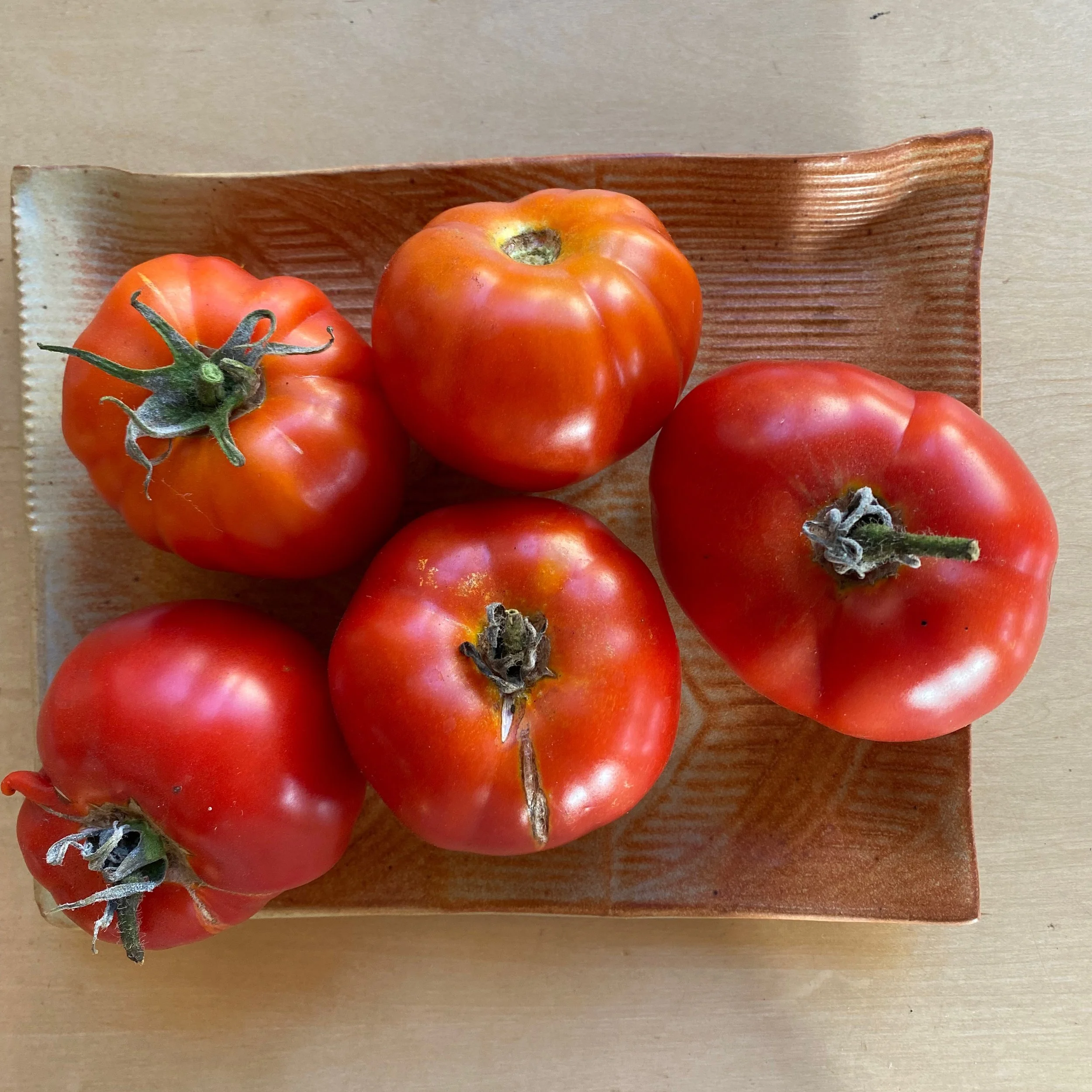
Epsom Salt for Tomatoes and Peppers
Please scroll to the end of this post for another viewpoint that suggests epsom salts should only be used when a magnesium deficiency is present.
Around the time I was planting my tomatoes and bell peppers I happened on a blogpost about using epsom salt as a foliar spray or soil additive. The assertion is that epsom salt will help these plants grow better and give larger yields of higher quality fruit. The source of the recommendation was from one of my online “garden mentors,” the Master Gardener at Harvest to Table.
Epsom salt is a natural mineral compound of about 10 percent magnesium and about 13 percent sulfur—often referred to as magnesium-sulfate. Epsom salt is highly soluble and easily taken in by plants when combined with water and sprayed on leaves. As a soil additive, Epsom salt becomes soluble with soil moisture and is drawn up into plants through the roots.

So after reading that piece and a few other sources, I added epsom salt along with my usual organic fertilizers and compost to my planting holes.

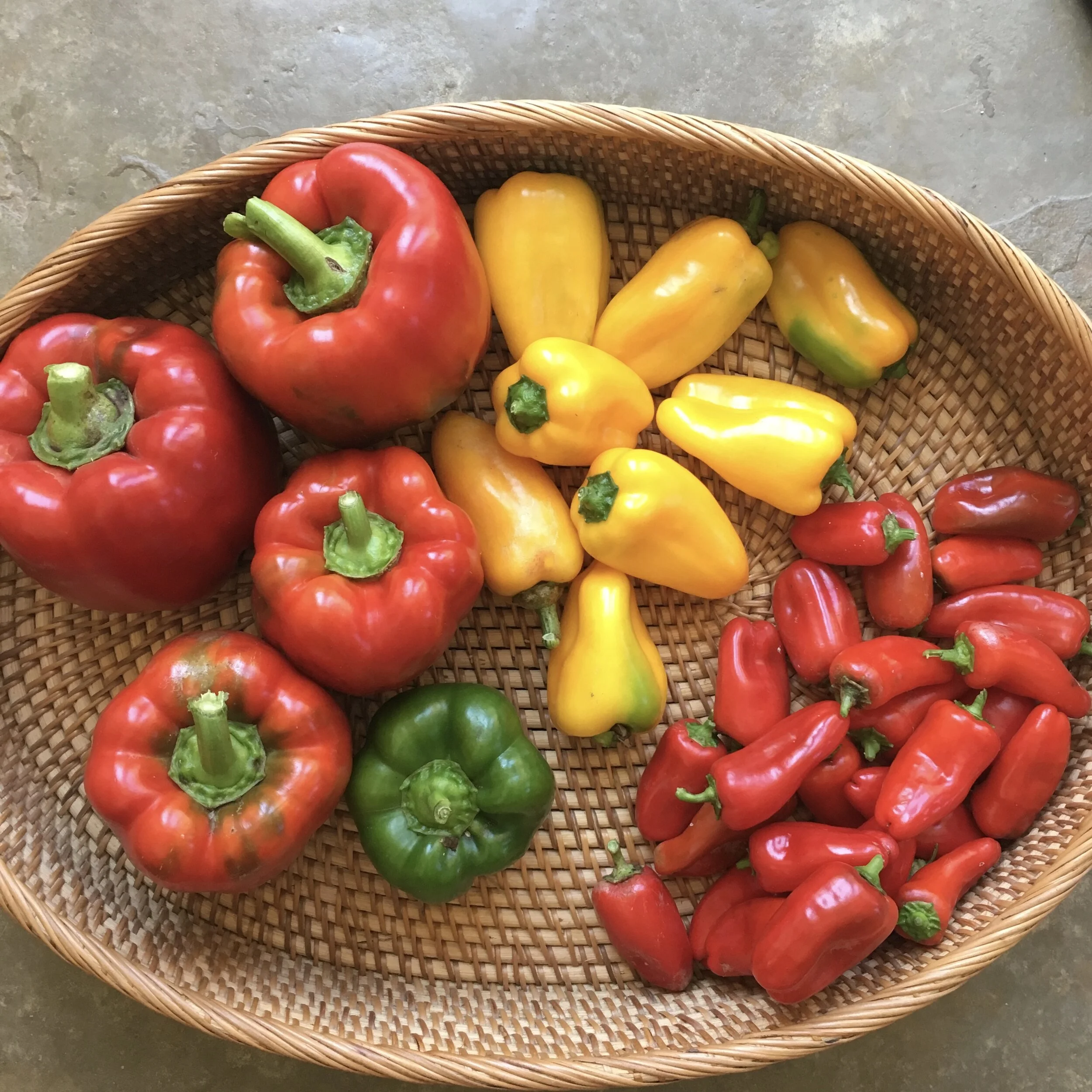
As the season progressed I mixed a foliar spray for the peppers.
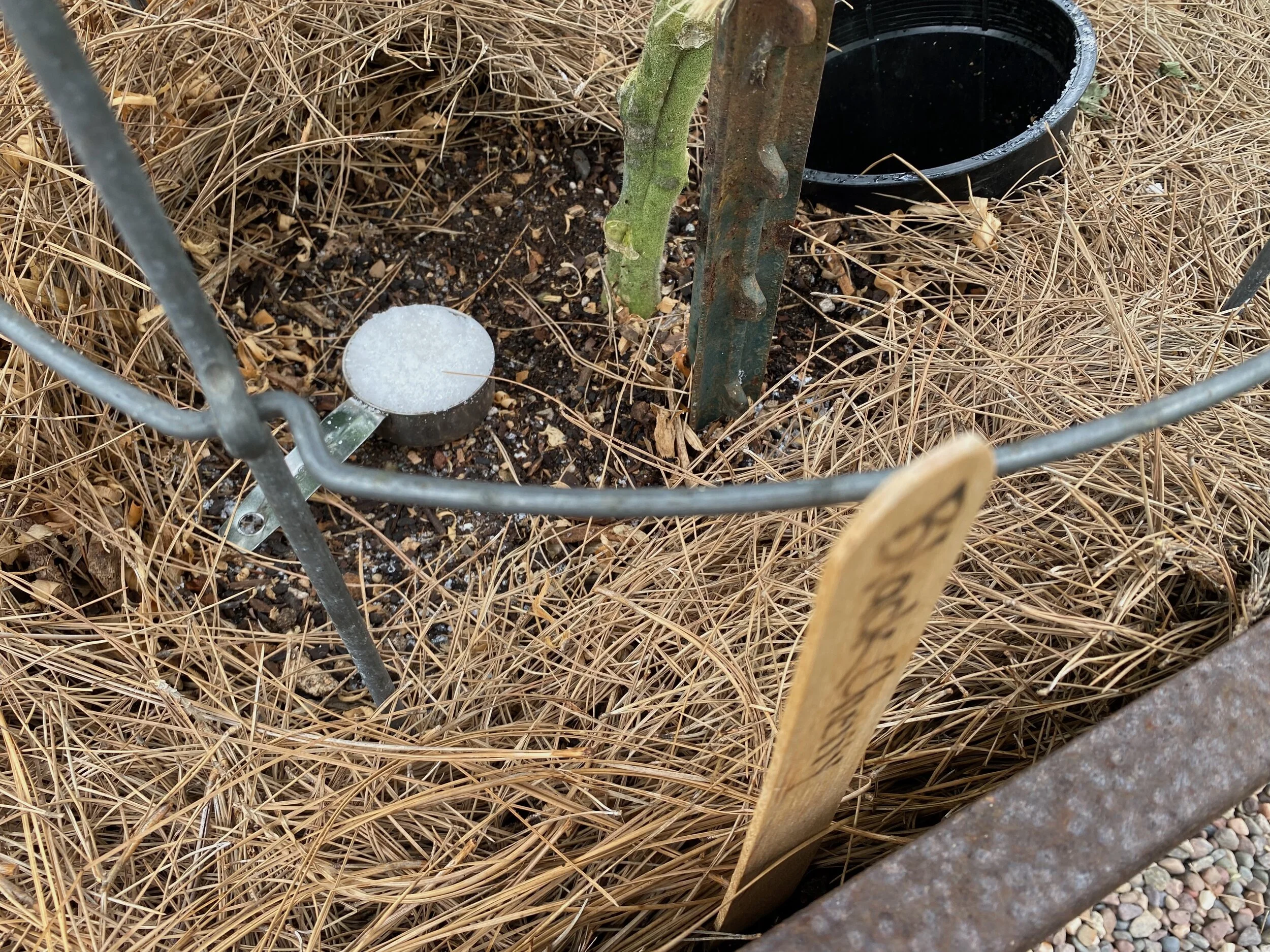
Now that my tomato plants are over four feet tall (in two foot high beds), I used epsom salt as a soil additive with a small amount of the dose in the buried plastic water pot.
Read How to Apply Epsom Salt to Plants for details.

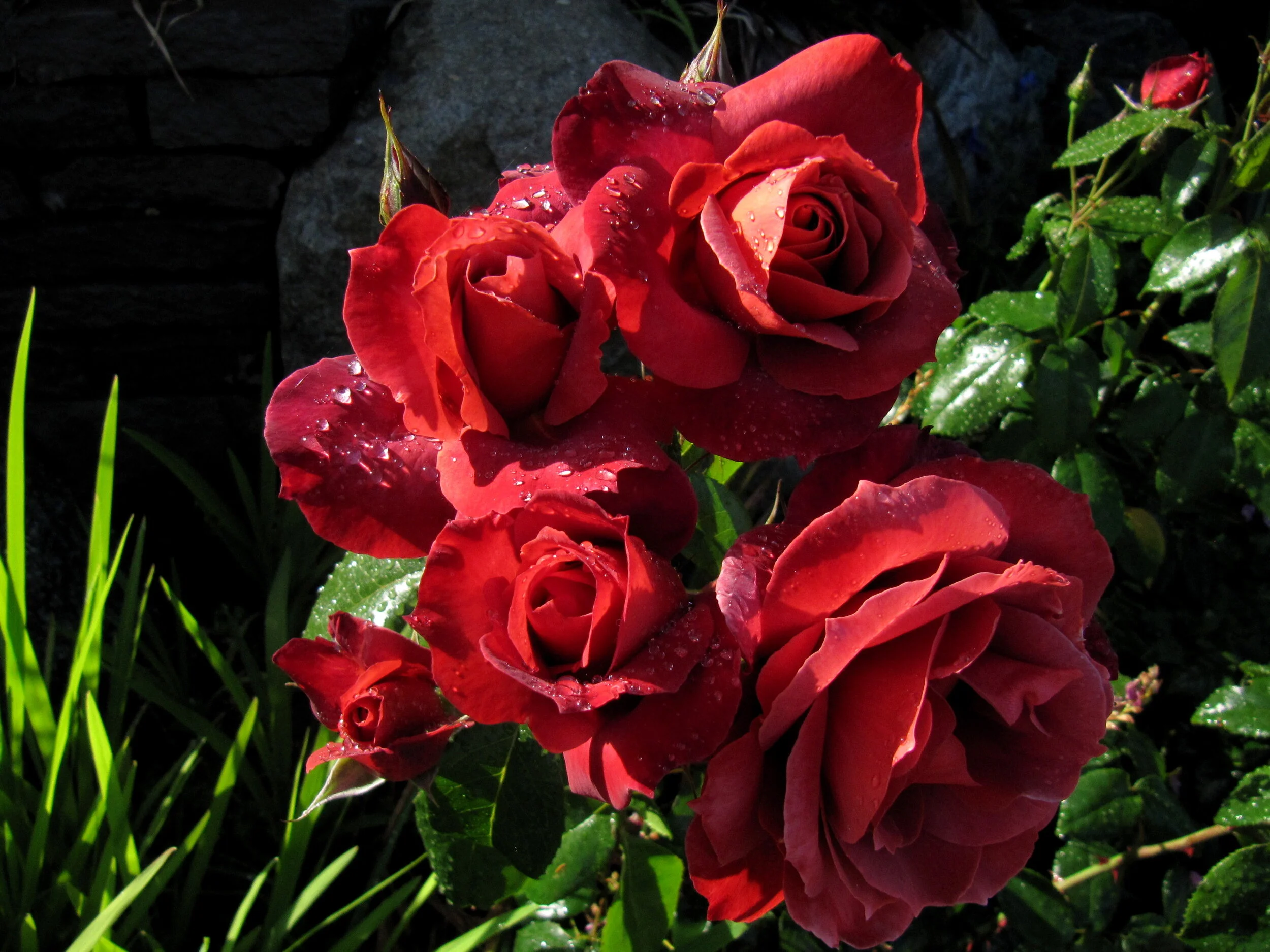
My reading uncovered a possible benefit for roses as well. I made a solution of two tablespoons of epsom salt per gallon of water and doused each of my roses from above for the foliar benefit and soil drench. Alternatively, one-half cup of epsom salt can be worked in around the base of the plant.
Read more about using epsom salt in the garden in these blogposts.
Epsom Salt, Tomato and Pepper Growing
Epsom Salt for Plants - Tips for Using Epsom Salt In the Garden
Do epsom salts benefit tomatoes and peppers?
Yes—sometimes, but usually only indirectly.
Epsom salt is magnesium sulfate. Tomatoes and peppers need magnesium mainly for chlorophyll (leafgreenness) and overall growth.It helps only if your plants are magnesium-deficient. If they’re not, extra Epsom salt usually won’t producemuch.
Signs it may help (magnesium deficiency):
Older leaves turn yellow between veins while the veins stay greenerLeaves may develop brown spotting later; growth can slow
How to use (typical, gentle approach):
If you see deficiency, apply 1–2 tablespoons per gallon (15–30 g per 3.8 L) as a foliar spray or wateringsolution.Do it once, then reassess in 1–2 weeks; don’t keep repeating routinely.
Important cautions:
Don’t add Epsom salt on a schedule if you don’t see deficiency—too much magnesium can throw offcalcium/potassium balance.
If your main issue is blossom-end rot (common on tomatoes/peppers), that’s usually calcium-related andwatering irregularity, not magnesium—Epsom salt often won’t fix it.