Cool Season Garden Plants--How Do They Do It?
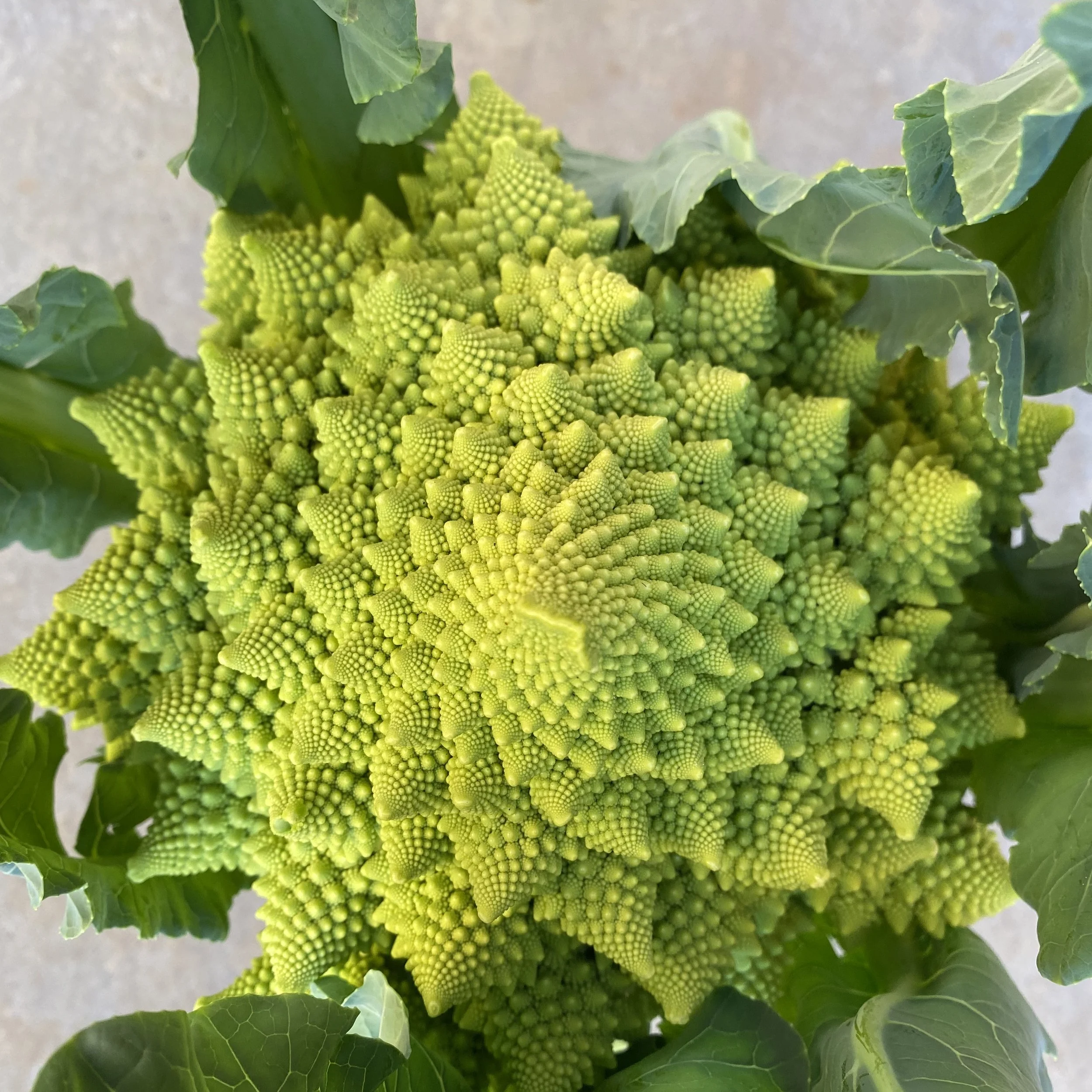
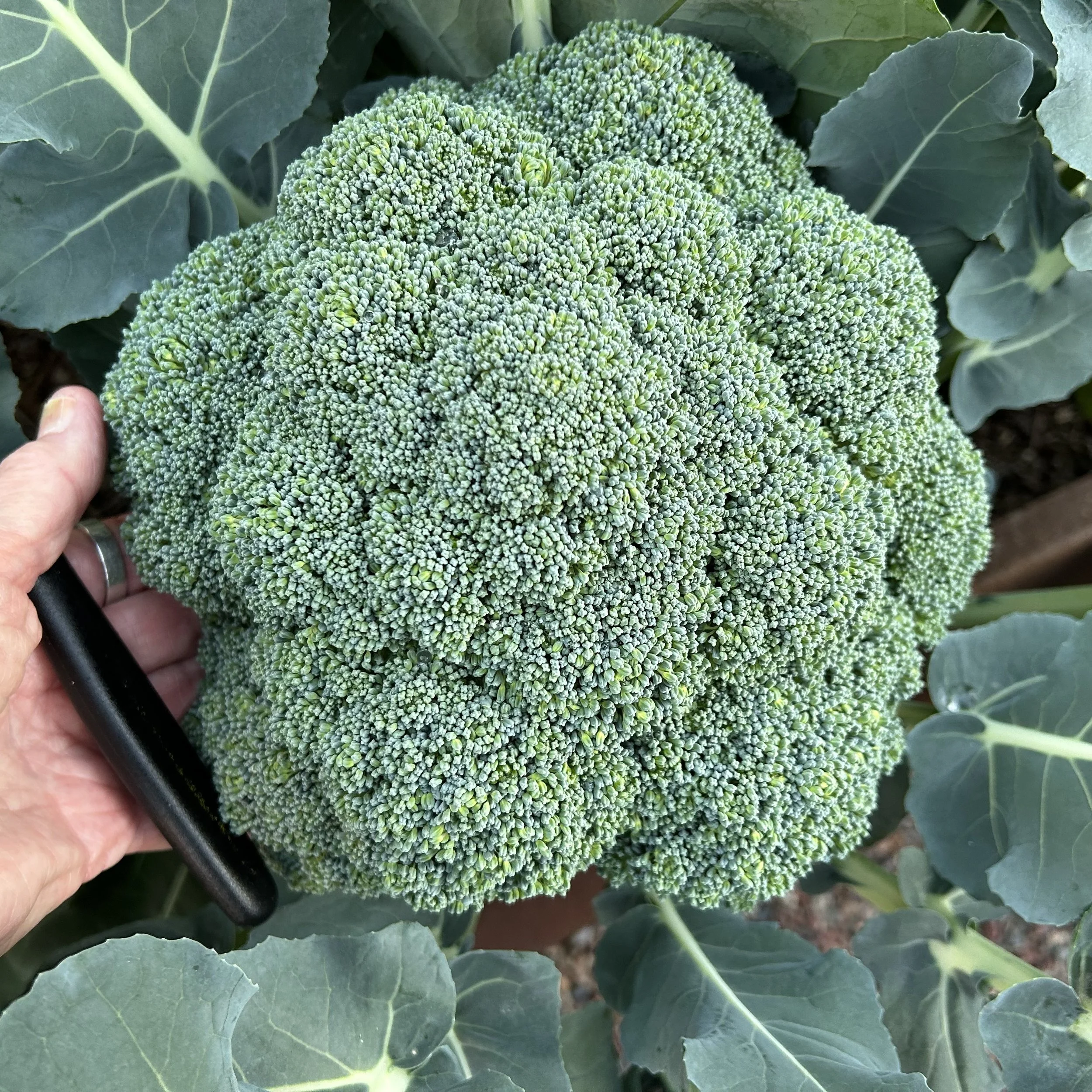
Broccoli, cauliflower, cabbage, romanesco—all produce sizable harvests, growing best in the cool season or shoulder season garden.
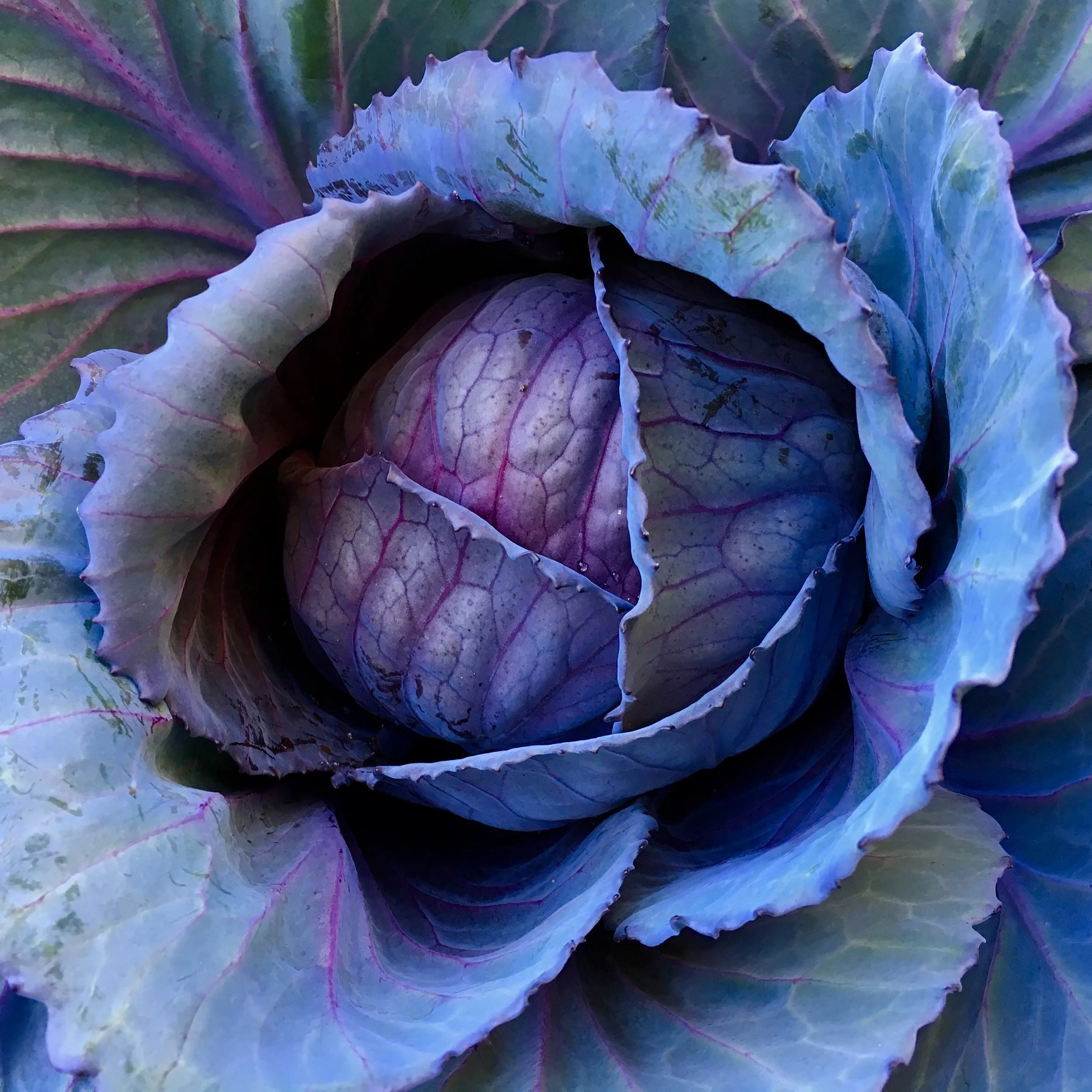
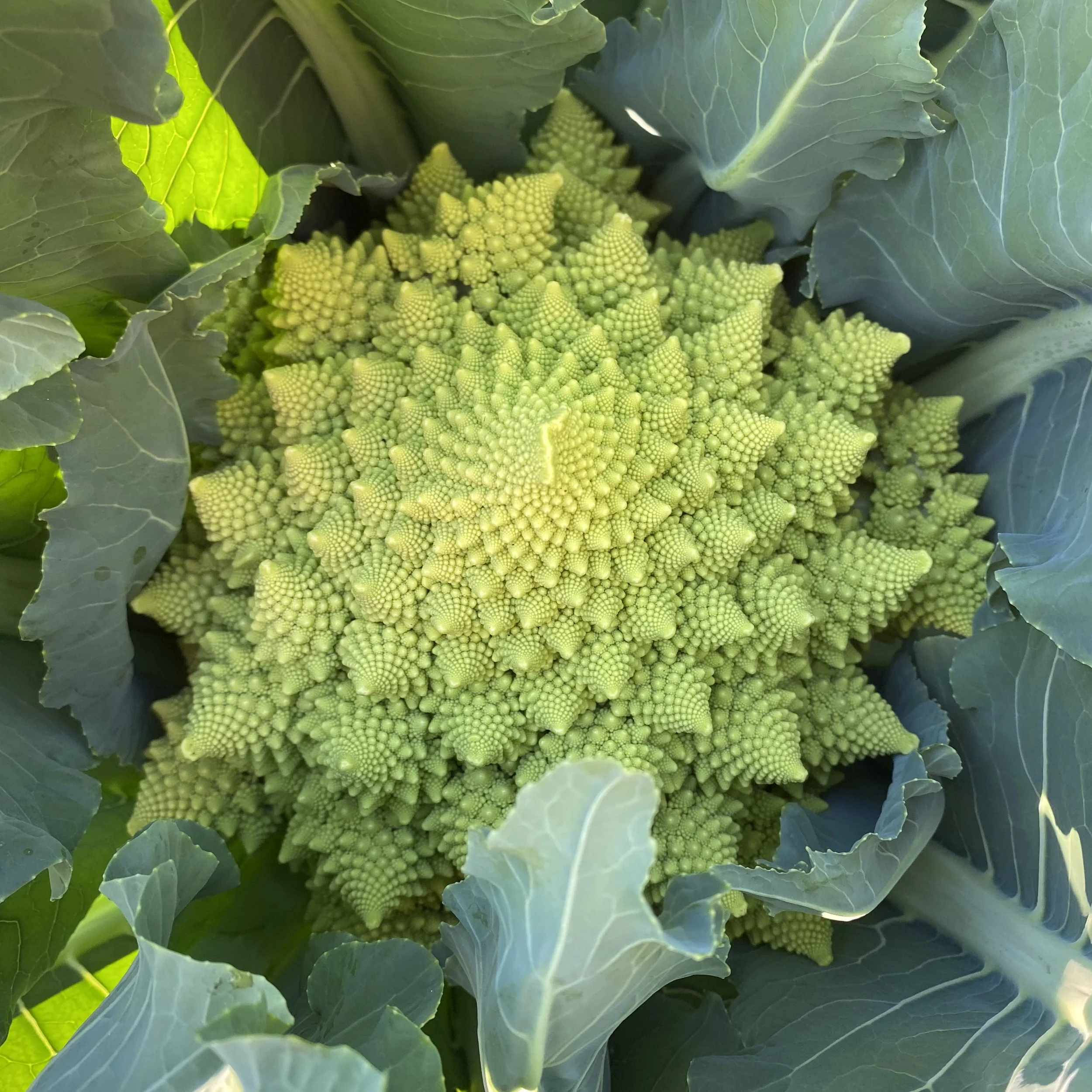
How do they accomplish this with fewer hours of daylight?
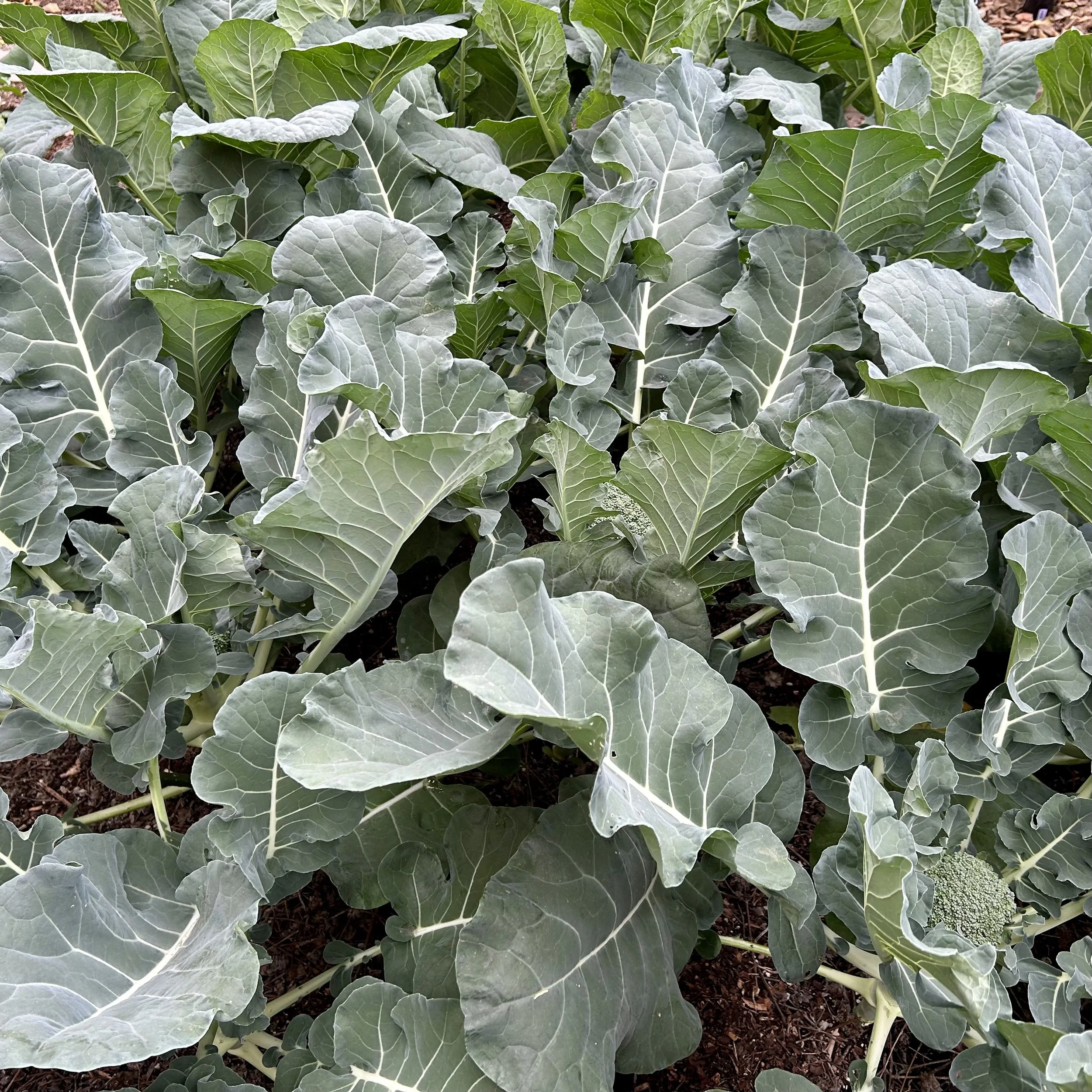
Think what these plants have in common—large, thick leaves.
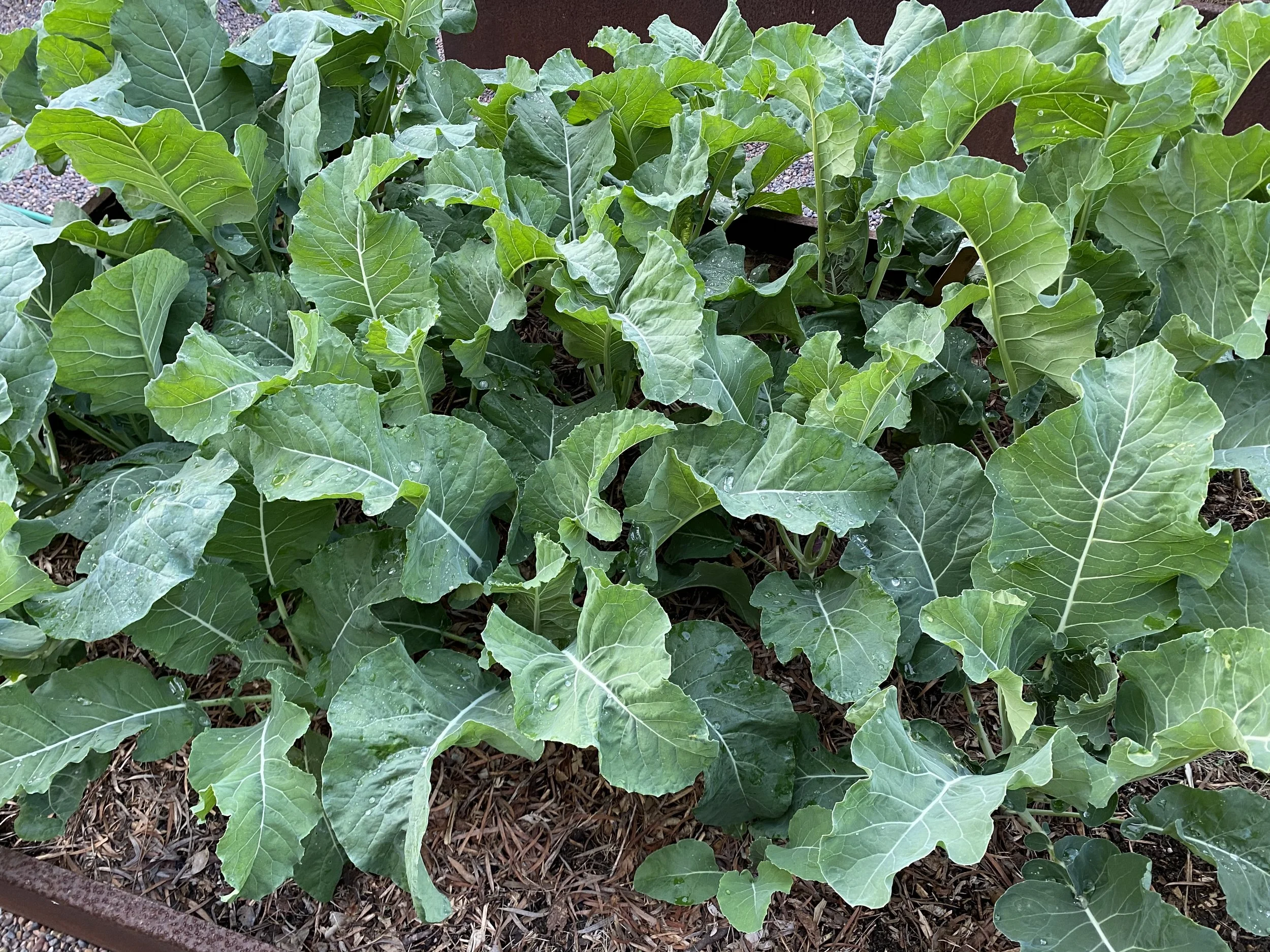
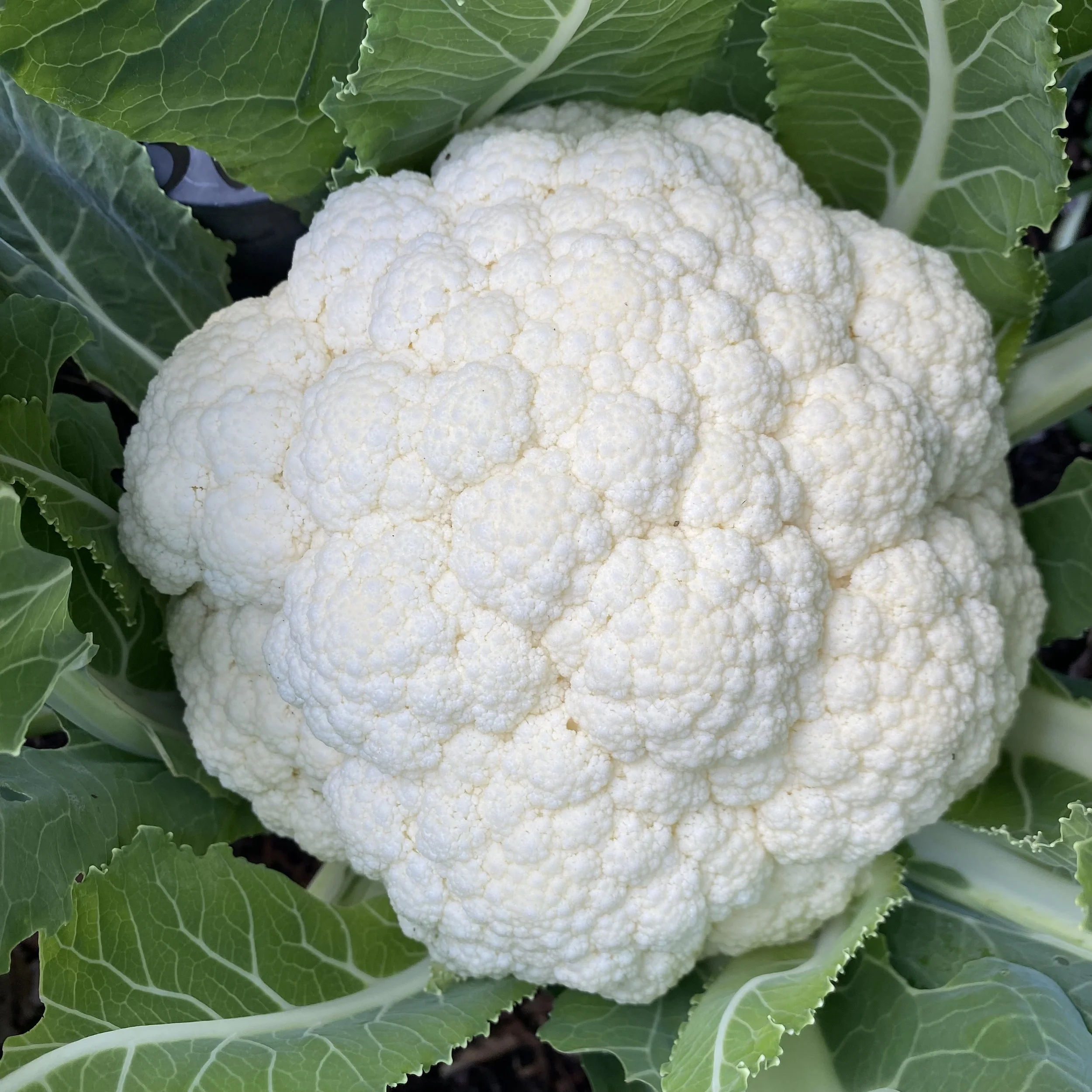
Cauliflower in the late November garden in San Diego.
Purpose of Big Leaves in Cools Season Garden Plants
Maximizing Photosynthesis
Winter garden plants often have larger leaves to enhance their ability to capture sunlight. During winter, days are shorter, and sunlight is less intense. Bigger leaves increase the surface area available for photosynthesis, allowing plants to produce the energy they need to survive and produce a harvest.
Moisture Retention
Larger leaves also play a crucial role in retaining moisture. In colder temperatures, maintaining adequate moisture is vital for plant health. The increased leaf size helps reduce water loss through transpiration, which is essential for survival during dry winter conditions. Large leaves also suppress weeds and retain soil moisture.
Adaptation to Harsh Conditions
Winter plants are adapted to withstand harsh weather. The combination of big leaves for photosynthesis and moisture retention helps them thrive despite the challenges posed by cold temperatures and limited sunlight.